Light That Protects.
Research Papers
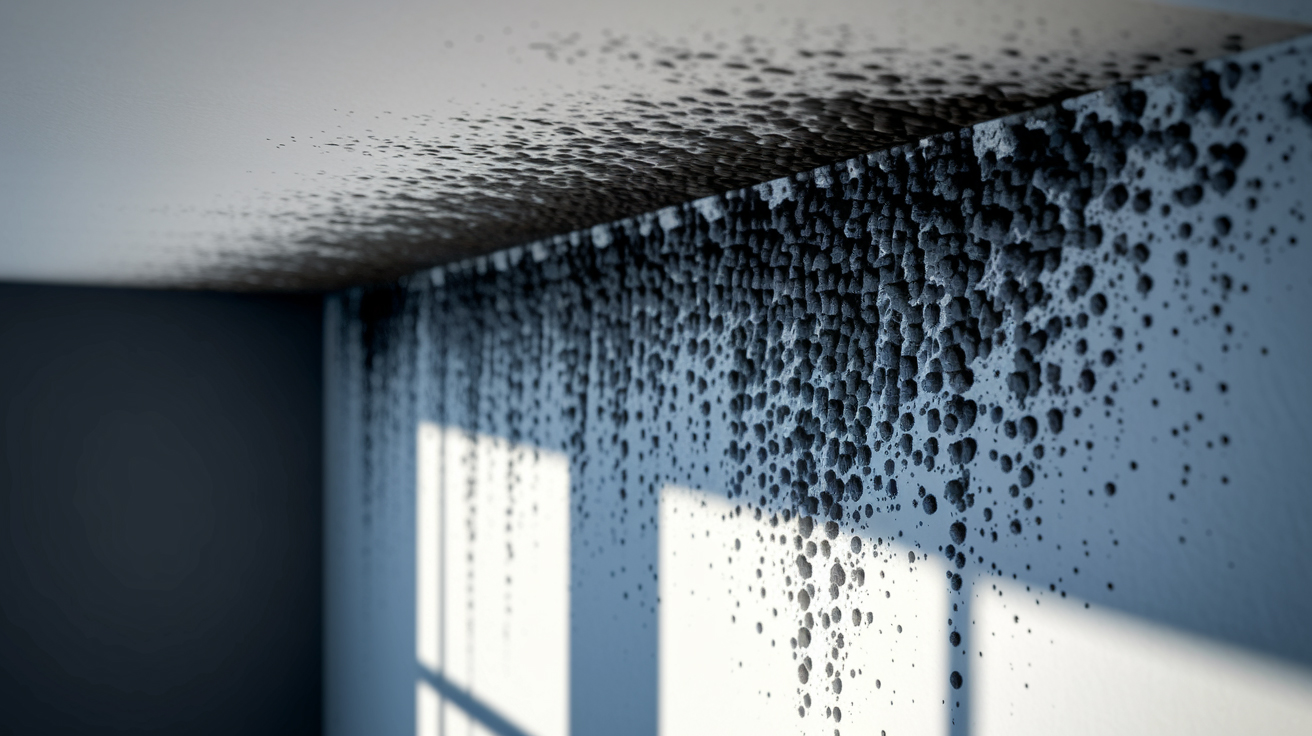
Damp and mould can affect your health and wellbeing. This guide helps private tenants in England understand their rights and responsibilities.
We’ll explore practical steps to identify, report, and resolve damp and mould issues in your home.
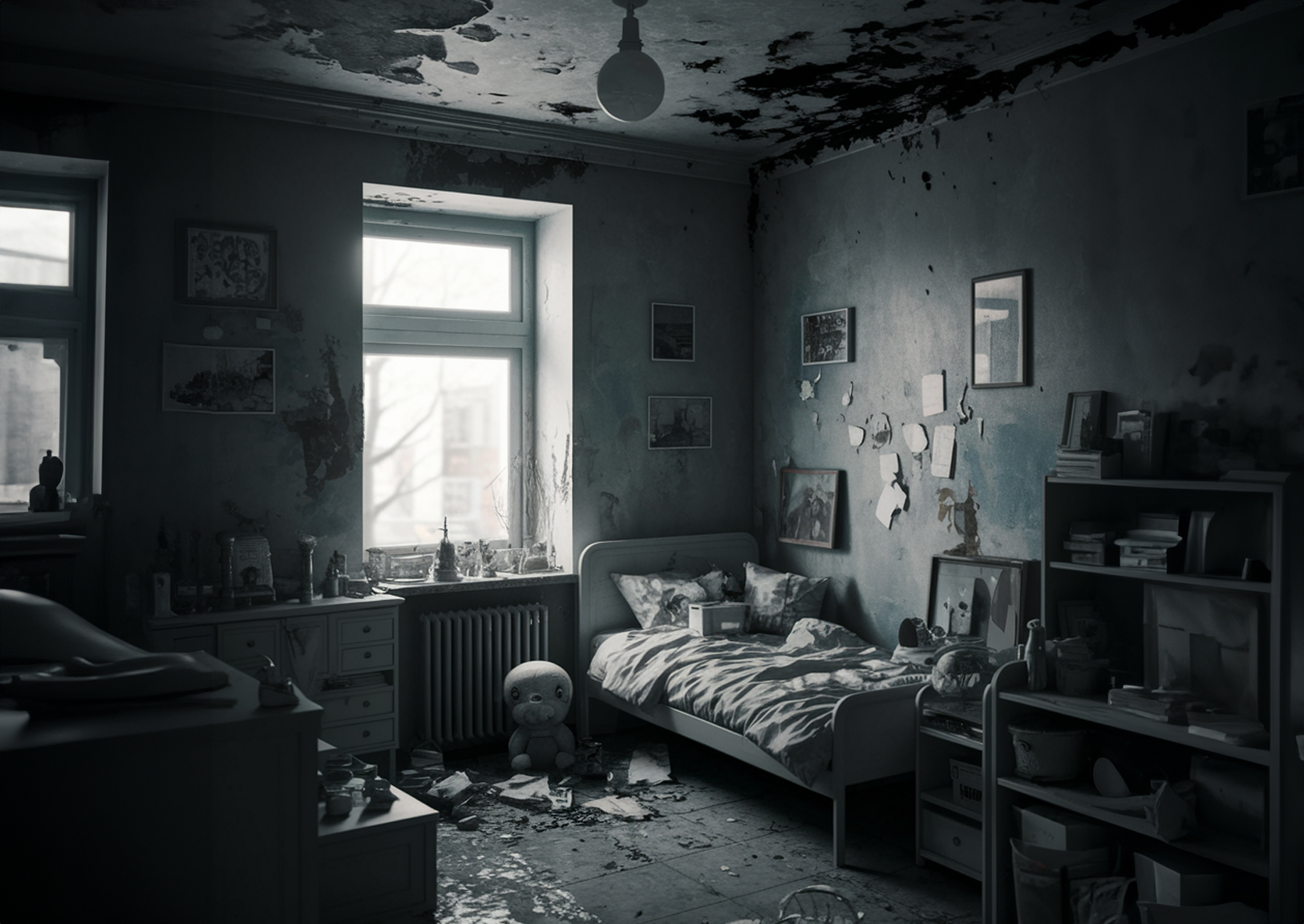
The tragic death of two-year-old Awaab Ishak in December 2020 represents a profound failure of social housing responsibilities and tenant welfare. This presentation examines the circumstances that led to this preventable tragedy, exploring the medical evidence, housing conditions, and systemic failures that contributed to Awaab’s death from prolonged mould exposure.
We will consider the broader implications for housing standards across the UK, highlighting the urgent need for regulatory reform and improved landlord accountability to ensure that no other family suffers such an avoidable loss.
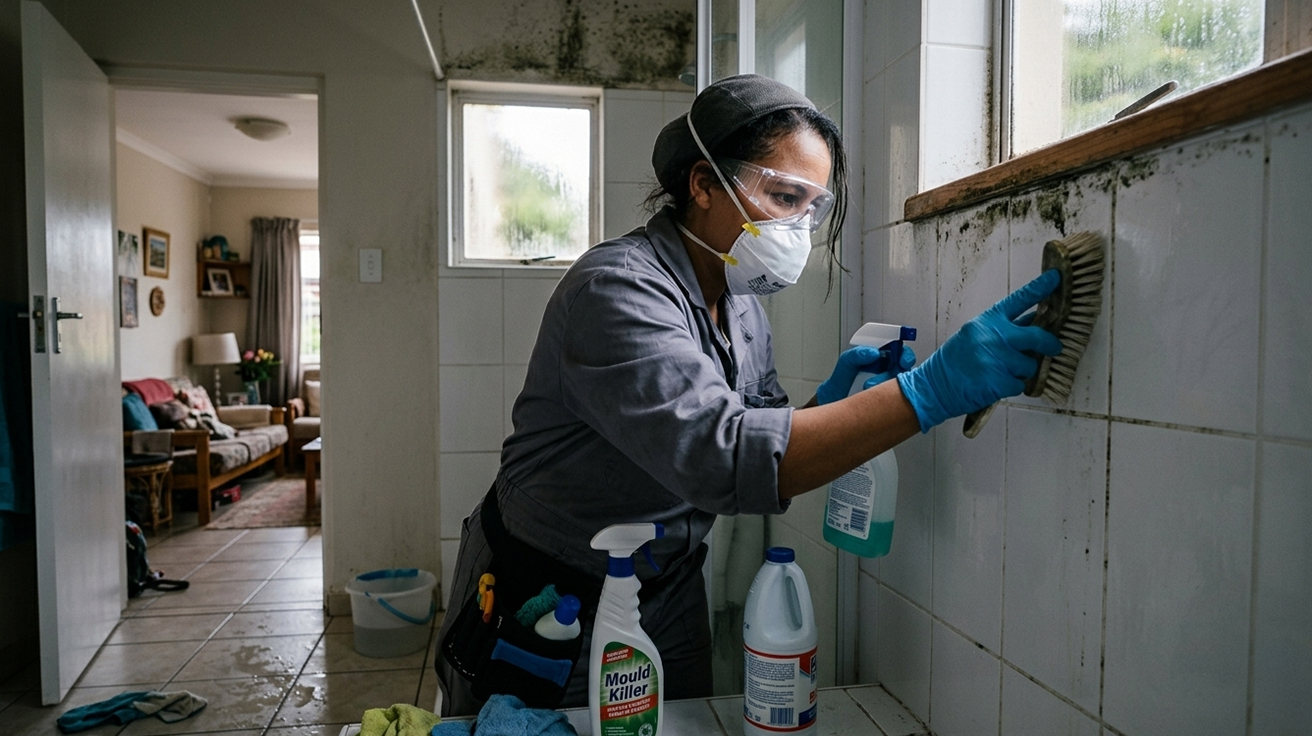
Since October 2025, social landlords must fix dangerous damp and mould within set timeframes. All emergency hazards must be repaired within 24 hours.
This landmark reform honours two-year-old Awaab Ishak, who tragically died from mould exposure in his Rochdale home.
Everyone has the right to a warm, secure and decent home and to be treated with dignity and fairness. Yet many people in England are living in a home with damp and mould, which may put their health at risk. Estimates of the number of homes in England with damp and mould range from 4% to 27% of homes, or 962,000 to 6.5 million households. The reported figure varies due to differences in how damp and mould is measured and how it is reported. People living in private or social rented housing are more likely to live in a home with damp and mould than are owner occupiers.